Bend, Oregon
Cheek filler
Cheek filler at The Studio is guided by anatomy, not trends.
$349 per half syringe (0.5 mL)
Selected HA filler
$625 per full syringe (1 mL)
Selected HA filler
- Material
- Hyaluronic acid, a sugar that is naturally found in the body
What it treats
- Cheekbones
- Contour lips, cheeks, jawline and hands
- Mid-face volume
- Restore volume
Benefits
- Your cheek structure
- At The Studio, every cheek filler treatment starts with an evaluation of your facial structure.
- An individual plan
- Your provider will assess your anatomy, discuss your goals, and build an individualized plan designed for a natural, balanced result.
- Hyaluronic acid filler
- Hyaluronic acid is a naturally occurring substance in your skin and hyaluronic acid fillers give your face that plump and hydrated look. Be aware that FDA reviewed and approved different products for use in specific areas of the face and hands. The FDA may not have reviewed the use of certain dermal fillers for all locations in the body.
What to expect
- Treatment
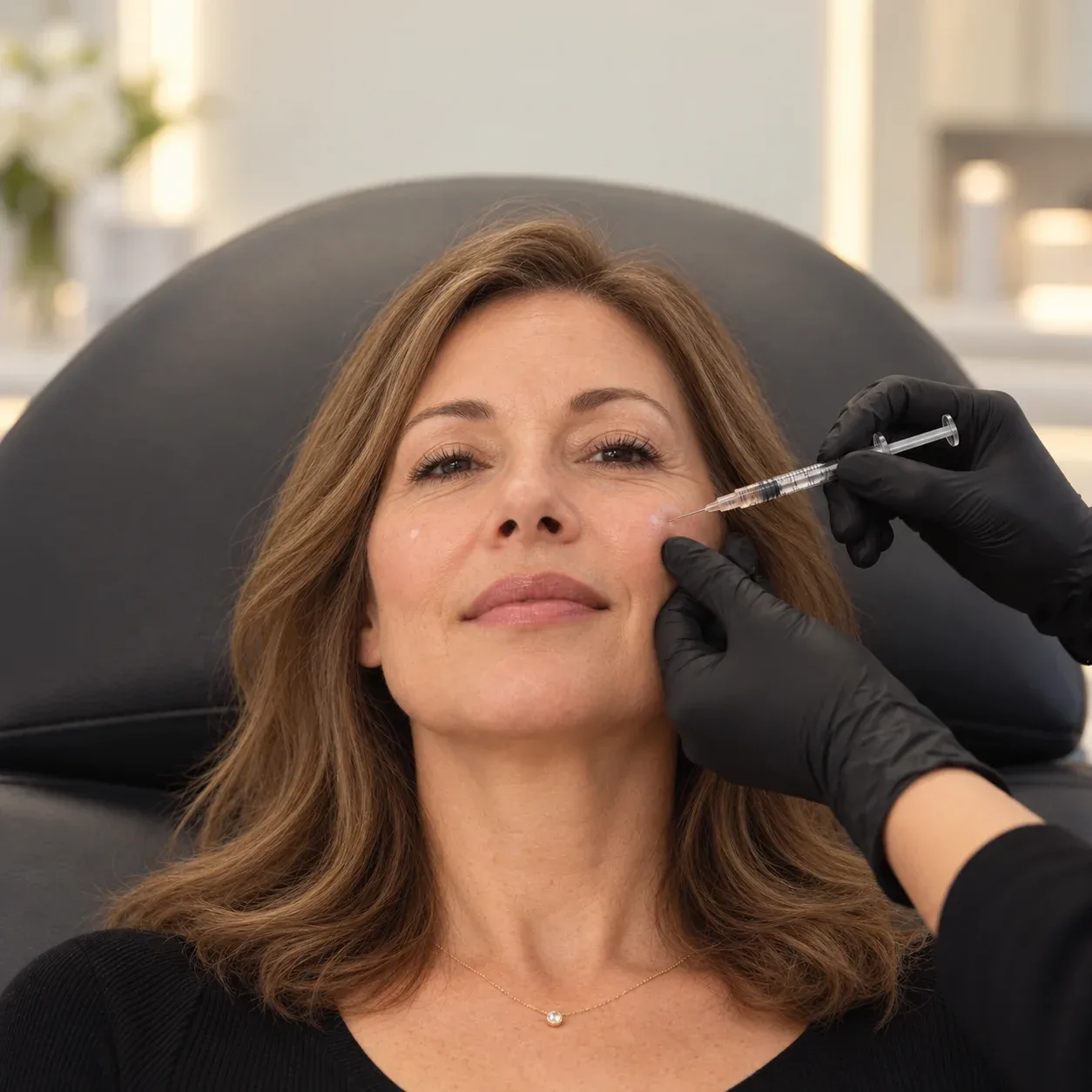
- Following a consultation, your provider may apply local anesthetic and ice at the injection site before injecting dermal fillers into target areas with a fine needle. Hyaluronic acid in the filler draws water in, which helps plump the skin, reducing the appearance of wrinkles.
- Early recovery
- Most side effects associated with dermal fillers, such as swelling and bruising, occur shortly after injection and many resolve in a few days to weeks. In some cases, side effects from a dermal filler injection may appear weeks, months, or years after injection.
- Results
- Successful results will depend on the underlying tissue structure and the volume and type of filler used. The time that the effect lasts depends on the filler material and the area where it is injected.
Is it right for me?
- Dermal fillers may not be appropriate for people with certain conditions, such as bleeding disorders or some allergies.
- Your skin is inflamed or infected. If you have an active inflammatory condition (cysts, pimples, rashes, or hives) or infection, dermal filler injection should be delayed until this inflammatory condition has been managed.
After your treatment
- Read and discuss the patient labeling for the specific filler you are receiving. Your provider can provide this information.
- Seek immediate medical attention if you experience unusual pain, vision changes, a white, gray, or blue appearance of skin near the injection site, or any signs of a stroke (including sudden difficulty speaking, numbness or weakness in your face, arms, or legs, difficulty walking, visual changes, face drooping, severe headache, dizziness, or confusion) during or shortly after the procedure.
Frequently asked questions
- Can cheek filler affect nearby facial folds?
Adding volume to the cheekbones creates a lifting effect in the mid-face, which can also reduce the appearance of nasolabial folds and under-eye hollows.
- How many syringes do I need for cheek filler?
Your provider may recommend starting conservatively and adding more at a follow-up for the most natural result.
- How long do cheek fillers last?
The time that the effect lasts depends on the filler material and the area where it is injected.
- Are all cheek fillers approved for the same areas?
Be aware that FDA reviewed and approved different products for use in specific areas of the face and hands. The FDA may not have reviewed the use of certain dermal fillers for all locations in the body.
- Is there downtime after cheek filler?
Most side effects associated with dermal fillers, such as swelling and bruising, occur shortly after injection and many resolve in a few days to weeks.
- Do cheek fillers hurt?
Most patients describe mild pressure with minimal discomfort.
Treatment information
The most serious risk associated with dermal fillers is accidental injection into a blood vessel. Filler that enters a blood vessel can cause skin necrosis (death of tissue), stroke, or blindness. While the chances of this happening are low, if it does happen, the resulting complications can be serious and may be permanent.
Updated