Bend, Oregon
CO2 laser resurfacing
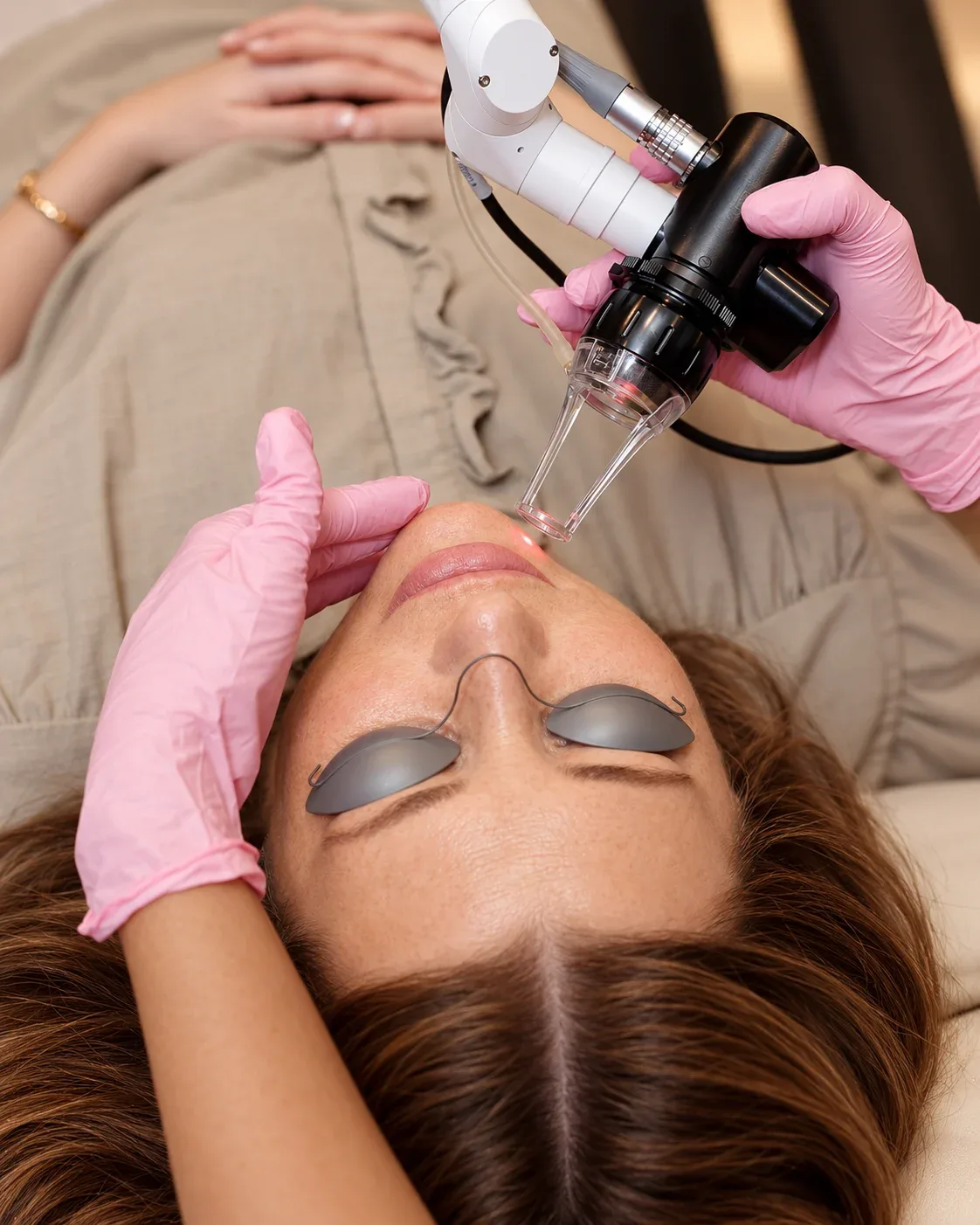
CO2 laser treatments only use ablative laser technologies, removing damaged skin cells in the top layer of the skin to target concerns such as hyperpigmentation, uneven texture, fine lines, and wrinkles.
Review the email draft and send it to the clinic. Opening a draft does not send your request. A waitlist request does not reserve an appointment or enroll you in marketing messages.
- Treatment
- CO2 laser resurfacing
- Planning
- A personalized consultation with a skilled professional is an absolute must.
What it treats
- Fine lines and wrinkles
- Improves fine lines and wrinkles
- Pigmentation and blemishes
- Reduces pigmentation and blemishes
- Skin texture and acne scars
- Improves uneven tone and texture Additionally, CO2 is a great laser treatment for acne scars, as it can effectively break down scar tissue and promote the production of collagen, leading to a much smoother complexion.
Benefits
- Skin resurfacing
- As their name suggests, most laser resurfacing therapies resurface the top layer of skin. They also tackle imperfections in the deeper layers and promote a healing reaction by removing damaged skin cells.
- Collagen and firmness
- You can also achieve tighter skin with CO2 laser therapies - by heating the collagen beneath the deeper layers, the skin contracts. Along with a tightening effect, your skin's elasticity may improve, resulting in a firmer look and feel.
What to expect
- Consultation
- At The Studio, your provider will examine your skin and individual needs, discuss the potential outcomes of the different therapies, and recommend the most suitable (always personalized!) treatment plan.
- Treatment
- Laser skin resurfacing can be painful. This is why your provider may numb the skin with local anesthetics. You may also receive a sedative to help you relax. In preparation, your face will be thoroughly cleaned and you might be given eye protection.
- Recovery
- Your new skin will appear pink and will lighten up over the next two to three months. It may take up to a year for the pinkness to go away. It is very important to protect your skin during this time of healing.
Is it right for me?
- CO2 and HALO treatments require a longer recovery period, but are better for improving textural concerns.
- Some lasers are more suited to specific skin types and tones than others. For example, if you have darker skin , you may be more at risk of burns, hyperpigmentation, and hypopigmentation.
After your treatment
- Do not scratch or pick at crusts because this can cause scarring. Apply protective skin care treatments that are recommended by your provider to help your skin heal.
- After healing, you'll need to use sunscreen, particularly one that's formulated for the sensitive, rejuvenated skin on your face. Every day. No exceptions! Your provider will help you select the correct type of sunscreen to best protect your treated areas.
Frequently asked questions
- What does a CO2 laser do?
This type of laser precisely removes thin layers of skin with minimal damage to your surrounding tissue.
- Can CO2 resurfacing help acne scars?
Additionally, CO2 is a great laser treatment for acne scars, as it can effectively break down scar tissue and promote the production of collagen, leading to a much smoother complexion.
- How much recovery should I plan for CO2 resurfacing?
Recovery times will vary depending on your treatment CO2 laser resurfacing: Generally up to two weeks.
- When will my skin improve after CO2 resurfacing?
Your new skin will appear pink and will lighten up over the next two to three months. Fine lines, sun spots and acne scars should start to fade, with pigmentation becoming less noticeable.
- What should I discuss at my CO2 consultation?
Along with assessing your skin and reviewing your medical history, your provider will ask questions about your age, primary skin concerns, and desired results. Additionally, they will explain any possible risks, side effects, and the necessary downtime. Ensure that you understand the procedure by asking clarifying questions.
Treatment information
Bacterial infection. Your provider may recommend taking an antibiotic before treatment and afterwards. Hyperpigmentation. It's possible the treated area can become darker in tone. Your physician may recommend a bleaching solution. More rarely you may have hypopigmentation, a lightening of the skin tone. Scarring. This is rare, but possible.
- American Society of Plastic Surgeons: laser resurfacing
- American Society of Plastic Surgeons: recovery
Updated